Exploring the Advantages of Selecting Bulk Haulage for Your Transportation Requirements
Bulk trucking presents a strategic option for businesses aiming to optimize their shipping logistics. By grouping deliveries, businesses are able to realize major financial benefits and lower their impact on the environment. Moreover, this method offers enhanced trustworthiness and versatility in transport timetables - Illinois top rated Bulk Trucking. As the landscape of supply chain management evolves, grasping the specifics of bulk freight transport becomes essential for maintaining a competitive edge. What further benefits might this approach reveal for modern businesses?
Achieving Cost Reduction Via Economies of Scale
Although many businesses face rising transportation costs, this method delivers substantial financial benefits through the principle of matching information scale efficiency. When combining loads, businesses are able to lower the individual item shipping expense, as larger quantities allow for optimized resource deployment such as staff and energy. Such efficiency results in reduced total costs, making bulk trucking a favorable solution for businesses looking to optimize their logistics.
Moreover, this method decreases the amount of travel needed, which helps lower expenses even more associated with vehicle maintenance and driver wages. Businesses are able to secure improved pricing with transport providers when committing to larger volumes, enabling them to benefit from decreased transport costs. Consequently, firms may dedicate their cost reductions towards different parts of the business, enhancing their competitive edge. Ultimately, the financial benefits of bulk transport establish it as a key strategy for organizations aiming to improve their bottom line while maintaining efficient supply chain operations.
Lowering the Ecological Footprint
This method plays a major role in a lower ecological footprint, establishing it as a sustainable solution for shipping. Through the grouping of loads, this approach lowers the frequency of travel to deliver goods, which thereby reduces gasoline usage and harmful emissions. The streamlined approach to shipping bulk items results in a lower vehicle count, lessening traffic jams and strain on public works.
Furthermore, many bulk trucking companies are adopting more sustainable practices, such as utilizing fuel-efficient vehicles and improving travel paths to lower their emissions substantially. Implementing sophisticated tools in the supply chain also aids in monitoring emissions and improving total effectiveness. As businesses increasingly prioritize sustainability, using bulk shipping helps environmental initiatives while fulfilling social responsibility goals. As a result, bulk hauling offers a viable option for companies seeking to lessen their environmental impact and still satisfying their delivery demands.
Improved Delivery Times and Reliability

If firms select bulk hauling for their transportation needs, they often experience improved delivery times and improved consistency. This transport option is engineered to efficiently move large amounts of cargo, cutting down on the necessary journeys. By grouping deliveries, companies can minimize delays associated with loading and unloading, leading to faster transit times.
Moreover, bulk trucking typically involves fewer stops, which simplifies the shipping operation. Numerous bulk haulers employ cutting-edge tracking and logistics tools, giving instant information which boosts openness and dependability. This transparency allows firms to plan better, confirming timely product arrival.
Furthermore, bulk transport's dependability is strengthened by seasoned operators and regularly maintained equipment, lessening the possibility of malfunctions or delays. Consequently, firms can trust bulk hauling services to reliably hit their transit targets, thereby enhancing customer contentment and solidifying business connections.
Greater Cargo Capacity and Versatility
While many transportation options have limitations on load size, bulk transport provides greater hauling volume allowing firms to ship significant volumes of materials in one trip. This capability is particularly beneficial for industries that must transport massive volumes, including mining, construction, and agriculture. With specialized vehicles designed for bulk materials, firms can improve their delivery methods, reducing the number of trips needed to deliver goods.
In addition, bulk trucking provides flexibility in load configuration, accommodating various types of products, including liquids, grains, and powders. This adaptability enables businesses to respond to fluctuating demands and effectively handle their logistics network without losing hauling power. By leveraging the enhanced load capacity and flexibility of bulk trucking, companies can optimize their processes, reduce shipping expenses and ensure a more dependable shipping procedure. Finally, this choice offers a viable answer for companies seeking to maximize shipping efficiency and meet customer expectations.
Optimized Logistics Network Control
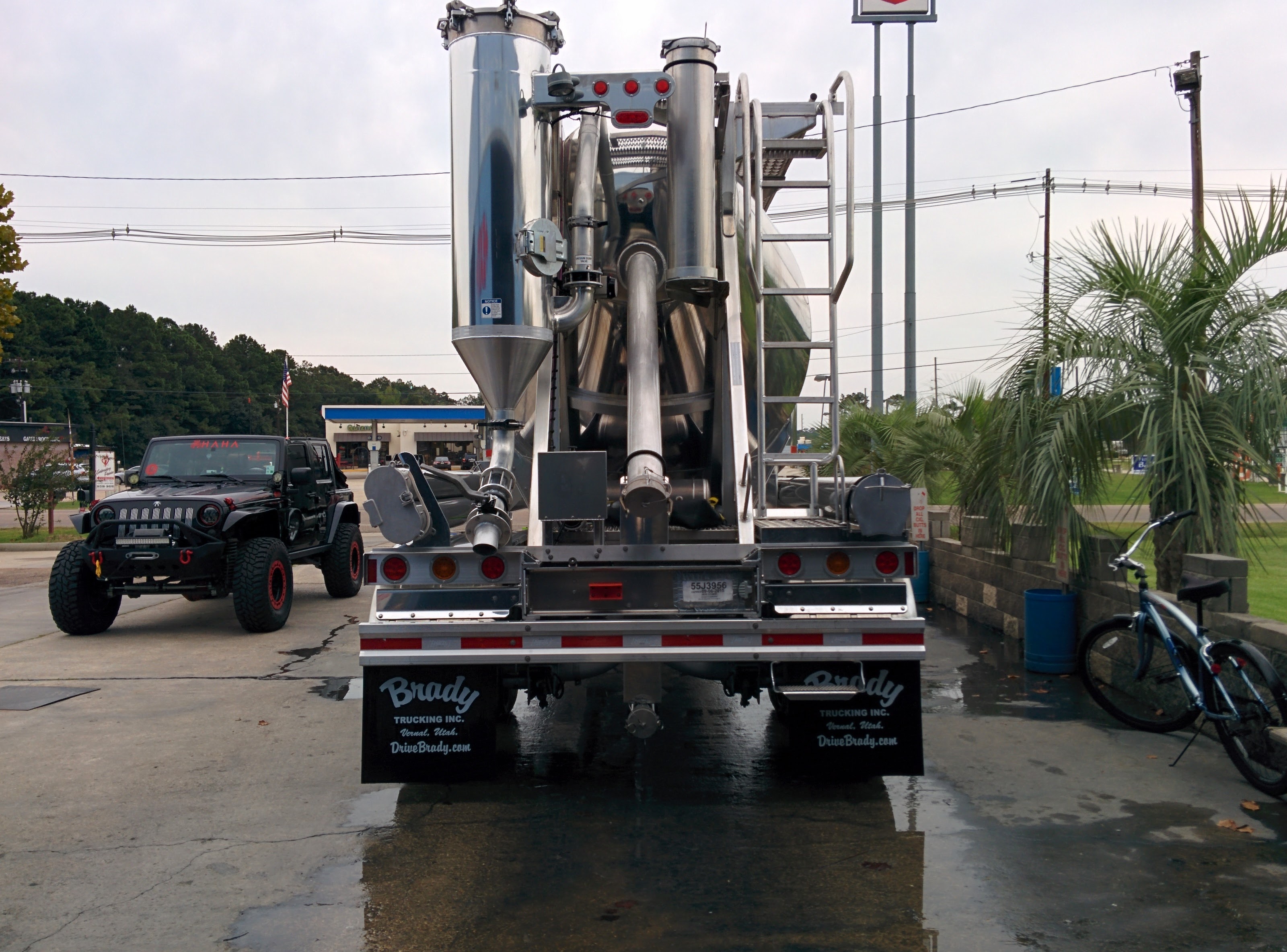
Optimized supply chain management is readily possible with the integration of large-scale transport into transport processes. By combining loads, businesses can reduce transportation costs and improve delivery times. Bulk trucking facilitates the movement of greater volumes of cargo in fewer trips, reducing the hassle of handling many separate loads. This effectiveness enables superior warehouse organization, as companies can accept and dispatch items more rapidly.
Moreover, bulk trucking strengthens interaction and collaboration among SCM stakeholders. With less transporters utilized, tracking shipments becomes simpler, leading to improved visibility and faster reaction speed to potential problems. The dependability of bulk trucking also guarantees that goods arrive at their destinations in prime condition, minimizing the possibility of transit issues. In conclusion, adding large-scale hauling into SCM frameworks creates a more unified and streamlined transport system, aiding enterprises and their clientele equally.
Common Queries
What Types of Goods Are Best Suited for Mass Transport?
Bulk trucking is ideal for shipping high volumes of cargo such as crops, construction materials, industrial compounds, and groceries. These goods benefit from efficient, cost-effective shipping methods, cutting down on manual processing and decreasing transit expenses.
What Is the Process for Finding a Reliable Bulk Trucking Provider?
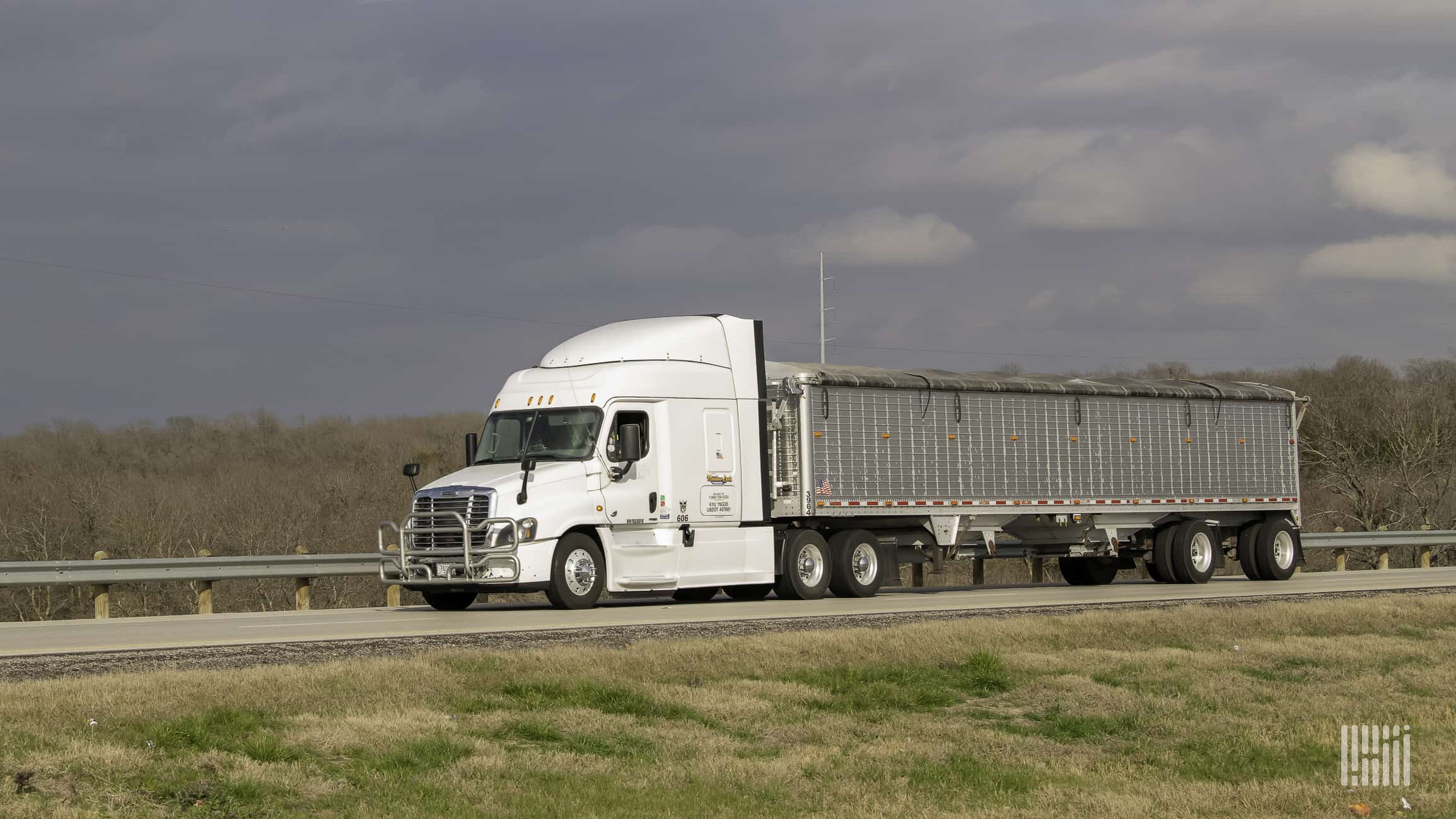
To find a dependable mass transporter, one should look up customer testimonials, solicit advice from other businesses, assess credentials, and review pricing proposals - Illinois top rated Bulk Trucking. Additionally, evaluating the provider’s experience and fleet capability is crucial to informed decision-making
What is the Typical Delivery Period for Bulk Shipments?
The standard shipping duration for bulk shipments is generally around 24 to 72 hours, based on the mileage, road quality, and the kind of goods. Variability in these factors can greatly impact delivery timelines.
Are There Weight Restrictions for Large Cargo Deliveries?
Indeed, bulk trucking loads typically have weight restrictions, which change regionally and equipment used. Illinois top rated Bulk Trucking. Rules provide adherence and security, often limiting loads to around 80,000 pounds for standard trucks on interstates
Can Bulk Trucking Manage Temperature-Controlled Freight?
Yes, bulk trucking is able to handle perishable freight by employing dedicated machinery, such as temperature-controlled vans. This capability ensures that temperature-dependent items preserve their necessary climate during transit, protecting quality and freshness.