How Bulk Trucking Enhances Logistics Operations Across Industries
This mode of transport is critical for contemporary logistics, affecting numerous sectors by improving efficiency and cutting expenditures. The ability of bulk trucking to ship high volumes of material over extended ranges allows businesses to react quickly to consumer requirements. This capability prompts discussions about logistics optimization and environmental sustainability. Analyzing the wide-ranging upsides and hurdles of heavy-duty transport could transform the way businesses manage their logistics planning. What discoveries will we make as we explore this critical aspect?
Why Bulk Trucking Matters in Today's Supply Chains
While numerous elements of supply chain management are essential, heavy-duty hauling is recognized as a key element in ensuring efficiency and expense control. Bulk hauling allows companies to ship massive volumes of cargo over long distances, considerably reducing the amount of hauls compared to smaller shipments. The efficient process of this transport method minimizes handling and transport duration, which is crucial to keep stock levels stable and meeting customer demands promptly.
Furthermore, bulk transport aids various industries, such as farming, production, and commerce, by ensuring a trustworthy way of transporting raw materials and completed items. Its capacity to accommodate various types of freight fosters flexibility in logistics networks, helping organizations to adjust to changing market demands. As consumers increasingly expect quick fulfillment, the planned application of heavy-duty transport is an essential documentation element in enhancing overall supply chain performance, thereby helping to a competitive advantage in the marketplace.
Achieving Cost Savings: Bulk Trucking's Impact on Cutting Transport Expenditure
Bulk trucking greatly lowers transportation expenses, positioning it as a compelling choice for businesses aiming to optimize their logistics operations. By fully utilizing truck space, bulk trucking allows companies to move greater volumes of material using fewer hauls, markedly reducing fuel costs and personnel costs. This efficiency is particularly beneficial for businesses managing weighty goods, such as construction or agriculture, where standard shipping techniques may be less cost-effective.
Moreover, heavy hauling usually entails in less manual processing and fewer loading steps, lessening the possibility of breakage and holdups linked to various deliveries. The scale benefits realized by using bulk shipping can also lead to lower overall pricing from carriers, further enhancing cost savings. Therefore, organizations can distribute funds more efficiently, enabling them to reinvest in other areas of their operations. Generally speaking, the cost-effectiveness of bulk trucking is considered a key factor in building a competitive supply chain strategy.
Improving Operational Flexibility With Bulk Trucking Solutions
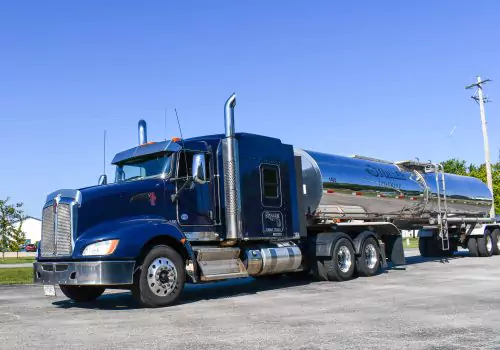
Bulk trucking solutions are fundamental in improving operational flexibility inside supply chains. By enabling companies to quickly adjust to demand changes, these solutions streamline transportation processes and improve overall efficiency. This adaptability goes beyond meeting customer needs but also improves resource allocation and reduces lead times.
Adapting to Demand Changes
In today’s dynamic market, businesses increasingly recognize the importance of operational flexibility to handle shifting demand patterns. Bulk trucking plays a significant role in this adaptability, giving companies with the capability to adjust the size of their transportation solutions rapidly. Through the use of bulk trucking, organizations can properly oversee inventory levels and react to fluctuations in demand without leading to excessive costs. This flexibility allows for the transportation of large quantities of goods quickly, reducing lead times and improving customer satisfaction. Additionally, bulk trucking solutions can easily accommodate changes in production schedules or unforeseen market shifts, guaranteeing that businesses keep a competitive edge. Overall, adapting to demand changes through bulk trucking is necessary for optimizing supply chain efficiency.
Streamlined Transportation Processes
Operational flexibility is further improved through streamlined transportation processes that leverage bulk trucking solutions. These solutions enable businesses to optimize their supply chain by minimizing transit times and bettering load management. By using bulk trucking, businesses can combine shipments, cutting down the number of trips required and thus lowering transportation costs. Sophisticated monitoring tools enable real-time visibility, allowing for better planning and more rapid response times to unforeseen disruptions. Moreover, the adaptability of bulk trucking facilitates easy adjustments to logistics strategies, catering to fluctuating demand. Therefore, industries benefit from improved efficiency, reduced operational delays, and increased overall competitiveness. Efficient transportation processes, therefore, are vital in getting the most out of the advantages provided by bulk trucking in supply chain management.
Sustainability Benefits of High-Capacity Transport in Logistics Operations
Consolidated hauling provides substantial ecological benefits within supply chain management. By consolidating shipments, it causes decreased CO2 levels and supports optimized fuel economy. These advantages help advance green initiatives but also boost the general performance of logistics operations.
Reduced Carbon Emissions

Reducing carbon emissions is a core benefit of adopting bulk trucking in logistics operations. Through moving greater volumes of products using fewer runs, consolidated transport substantially lowers the volume of traffic. This grouping both lessens traffic congestion but also causes a smaller collective footprint. Furthermore, bulk trucking often allows for optimized travel paths, further lowering the environmental cost associated with logistics operations. The reduced number of trips helps lower fuel use, causing a drop in harmful air pollutants. With companies focusing more on green practices, the green advantages of consolidated hauling align with corporate social responsibility goals, positioning companies as environmentally conscious leaders within their respective markets. Moving towards consolidated hauling is a significant move in addressing environmental challenges.
Effective Energy Utilization
Maximizing fuel efficiency is a primary advantage of consolidated transport within supply chain management. Consolidated hauling cuts down on necessary journeys to transport large quantities of goods, leading to significant fuel savings. By consolidating shipments, companies minimize the overall fuel consumption relative to the cargo volume. This effectiveness does more than reduce running expenses but also supports ecological goals. As fewer trucks are needed on the road, pollutants are lessened, further enhancing the ecological impact of bulk trucking. Moreover, better fuel systems and streamlined travel paths utilized for high-capacity hauling enhance energy effectiveness, cementing its position as an key factor for businesses aiming to bolster their supply chain while being environmentally responsible.
Real-World Results: Case Studies of Consolidated Transport Throughout Multiple Markets
While many industries rely on efficient logistics, bulk trucking stands out as a critical component for success in industries spanning agriculture to construction. Within the farming industry, a prominent grain producer utilized bulk trucking to make the distribution of crops more efficient, decreasing delivery periods by 30% and substantially decreasing shipping costs. Meanwhile, in the construction industry, a large contractor utilized bulk trucking to ship construction materials, which improved project timelines and minimized delays due to material shortages. A significant drinks maker also employed bulk trucking for their essential ingredients, allowing for just-in-time delivery that enhanced production efficiency. These case studies illustrate how bulk trucking not only perfects logistics but encourages cooperation and responsiveness in the supply chain network (Illinois top rated Bulk Trucking). By meeting the specific requirements of every sector, bulk trucking is shown to be a crucial resource, leading to operational achievement and market advantage across multiple sectors
Addressing Difficulties in Bulk Trucking Logistics
Because the requirement for bulk trucking is constantly rising, many obstacles emerge that logistics businesses must competently overcome. One primary challenge is the fluctuation of regulatory requirements across different regions, which tends to complicate adherence and cause interruptions. Moreover, changes in fuel expenses have an effect on running expenses, requiring careful planning and budgeting.
Another issue involves safeguarding the safety and soundness of bulk goods during transportation, which requires specialized equipment and expert workers. Firms must also deal with scheduling and route streamlining to reduce shipping durations while boosting effectiveness.
Furthermore, a lack of drivers worsens these problems, making it critical for logistics firms to focus on training and retention methods. By addressing these challenges through innovation, technology, and effective management practices, firms are able to improve their bulk trucking operations and guarantee a seamless supply chain experience for their clients.
Emerging Trends: The Transformation of Bulk Trucking's Role in Logistics
Even though the supply chain environment is quickly transforming, bulk trucking stays a crucial part, modifying itself to satisfy the developing requirements of industries. Bulk trucking's future is defined by tech improvements, including robotics and real-time monitoring, improving both efficiency and visibility. This evolution allows for optimized routes and quicker delivery periods, leading to a more durable logistics network.
Sustainability is increasingly a primary concern, with companies increasingly seeking eco-friendly transportation options. Vehicles using electric and alternative fuels are expected to have a major role, cutting the carbon emissions from bulk transport.
Furthermore, the integration of data analytics equips organizations to predict changes in the market and tweak their transportation strategies in response. With the ongoing diversification and globalization of industries, bulk hauling will likely transform into a more flexible, responsive service, cementing its role as a foundation of modern supply chain solutions.
Frequently Asked Questions
What Types of Products Are Commonly Transported Via Bulk Trucking?
Goods often shipped via bulk trucking include farm products such as grains and fertilizers, industrial supplies including chemicals and plastics, and consumables like liquids and powders (Illinois top rated Bulk Trucking). Such products call for efficient, large-scale transportation solutions
How Does Bulk Hauling Affect Time-to-Delivery for Organizations?
Bulk transportation markedly cuts down delivery periods for firms via grouping large shipments, streamlining travel paths, and making sure loading and offloading are efficient, ultimately streamlining operations and boosting overall supply chain efficiency in different fields.
Which Regulatory Guidelines Apply to Bulk Transportation Procedures?
The regulatory guidelines for bulk transportation involve the Federal Motor copyright Safety Administration's guidelines, vehicle maintenance standards, procedures for managing dangerous goods, mandatory driver education, and maximum load restrictions, making certain transportation is safe and lowering road safety concerns.
What Is the Best Way for Firms to Select the Right Bulk Hauler?
Businesses are able to find the right partner by reviewing their experience, safety performance, reliability of their operations, cost models, and testimonials from customers. Setting up effective communication channels and grasping the unique requirements of their logistics is critical.
Which Digital Tools Are Applied in Bulk Trucking Operations?
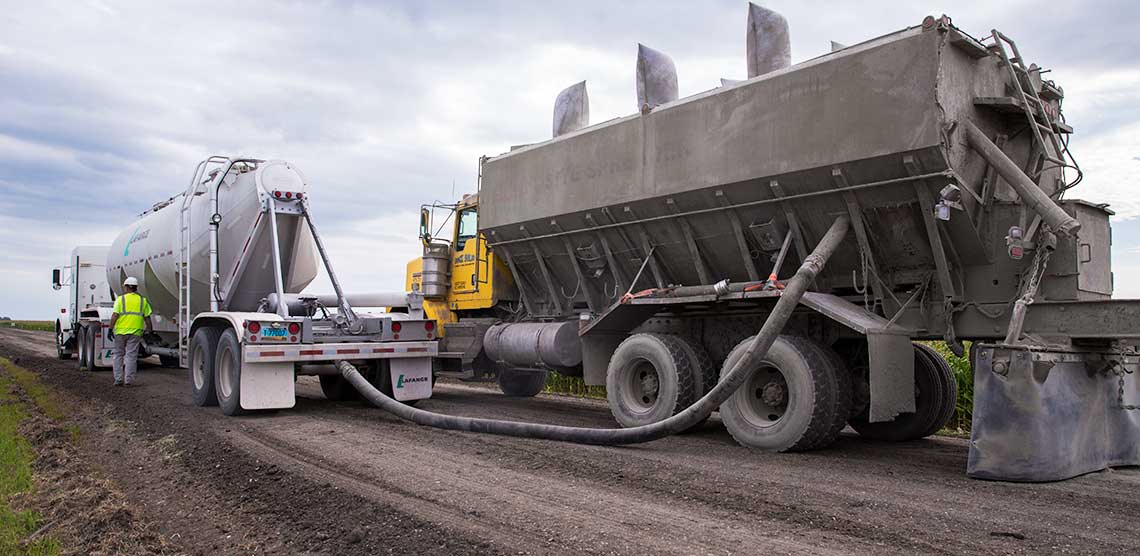
Different types of tech, including location tracking, vehicle telematics systems, routing software for efficiency, and supply tracking systems, are used for bulk transportation management to increase operational speed, keep tabs on truck functionality, and improve connectivity between shippers and providers for enhanced logistical outcomes.