Bulk Trucking Explained: Crucial Services for Efficient Cargo Movement
Bulk trucking serves as a crucial component in the supply chain management of moving large volumes of goods. It covers multiple industries, guaranteeing that supplies are delivered efficiently and economically. By employing specific transporters, this service minimizes the risks informative guide associated with handling and enhances delivery speed. Nevertheless, the environment of bulk trucking is undergoing transformation. Understanding its nuances can shed light on its increasing importance in today's logistics networks. What factors contribute to its success?
Bulk Trucking Explained?
Bulk transport involves the hauling of massive amounts of goods, most often as liquids or dry materials, using specialized vehicles. This method is crucial for industries that need the transfer of significant cargo, such as farming, chemical manufacturing, and building. Specialized bulk vehicles, such as tankers for fluids and dry material hopper trucks, are built to effectively handle and haul these bulk materials.
The coordination of bulk hauling require meticulous organization and coordination, ensuring that the right vehicle is applied to particular goods to avoid spoilage and harm. Furthermore, rules overseeing bulk movement necessitate following safety protocols, particularly for hazardous materials.
Bulk trucking plays a significant role in the supply chain, enabling the prompt transfer of vital products while optimizing costs associated with transportation. By employing this technique, businesses can streamline their operations, guaranteeing a constant supply of materials necessary for production and related activities.
Key Benefits of Bulk Trucking
Despite the existence of numerous hauling techniques, bulk trucking delivers specific upsides that can substantially boost operational performance for various industries. One significant benefit is cost-effectiveness; bulk trucking typically lowers the cost per unit shipped thanks to the power to haul massive quantities at once. This efficiency results in reduced total hauling costs, establishing it as a compelling alternative for businesses.
Moreover, bulk hauling delivers versatility in timing and pathfinding, letting businesses respond swiftly to evolving needs. The potential to transport diverse cargo types, ranging from raw materials to finished products, further broadens its appeal.
Furthermore, bulk trucking can increase the speed of delivery, as optimized processes and direct routes cut down on travel time. Improved load management also results in less handling, lowering the risk of harm in transit. In summary, these key benefits make bulk trucking an vital logistical tool for industries seeking reliability and efficiency in their supply chains.
Bulk Cargo Types
Various industries rely on bulk trucking to transport a wide range of cargo types. A primary category includes agricultural products, such as grains, fertilizers, and animal feed. These items are generally shipped in large quantities, requiring specialized bulk trucks designed for efficient loading and unloading.
In addition, construction materials including sand, gravel, and cement are commonly moved using bulk trucking services. This cargo is vital for various construction projects and need prompt delivery to ensure projects stay on track.
Chemical substances, such as liquid and dry chemicals, also make up a large part of bulk cargo. This cargo requires meticulous handling and adherence with safety regulations while being moved.
Furthermore, food products, such as sugar and flour, are transported in bulk to fulfill manufacturing and distribution requirements. In conclusion, the wide variety of bulk cargo showcases the versatility and importance of bulk trucking in helping various parts of the economy.
Technology in Bulk Trucking
How has technology revolutionized the landscape of bulk trucking? The use of advanced technology has significantly improved efficiency and safety within the bulk trucking industry. GPS systems permit monitoring cargo and vehicle locations in real-time, which helps ensure timely deliveries and improved route planning. Furthermore, telematics has emerged as an essential tool, offering key data regarding vehicle performance, fuel consumption, and driver behavior, ultimately leading to cost savings and reduced environmental impact
(Illinois top rated Bulk Trucking)In addition, automated systems for inventory management optimize loading and unloading processes, reducing delays and increasing productivity. Communication technologies are also crucial, linking drivers, fleet managers, and customers seamlessly. Such interconnectedness promotes openness and enhances customer service by giving reliable status reports on the delivery progress. As the industry continues to evolve, these tech innovations will continue to transform bulk hauling, fostering new ideas and raising the standard of service in a highly competitive space
How to Pick the Best Bulk Transport Company
Picking the ideal bulk hauling company is vital for businesses aiming to optimize their logistics operations. Firms ought to commence by reviewing their particular material demands, comprising the nature of the materials moved and the volume. Checking the copyright's history in handling similar shipments offers valuable perspective on their capacity.
In addition, companies must examine the geographic coverage of the service, to verify the transport firm can promptly get to the planned endpoints. Another important factor is the provider's safety record and following of regulatory standards, that heavily affects the total trustworthiness of the operation.
Pricing is also an important factor; however, firms need to measure the price against service quality so as not to sacrifice on critical aspects. Finally, customer support and methods of communication are critically important in preserving openness throughout the shipping process. By carefully analyzing these aspects, businesses are able to choose a bulk transport provider which fits their functional demands and aims.
Popular Questions and Answers

How Much Does It Usually Cost Associated With Bulk Trucking Services?
Typical costs associated with bulk trucking services include fuel expenses, pay for drivers, maintenance fees, coverage, and tolls. Furthermore, pricing can fluctuate based on distance, the nature of the load, and the current demand in the market, impacting overall pricing structures.
How Should I Get My Load Ready for Bulk Trucking?
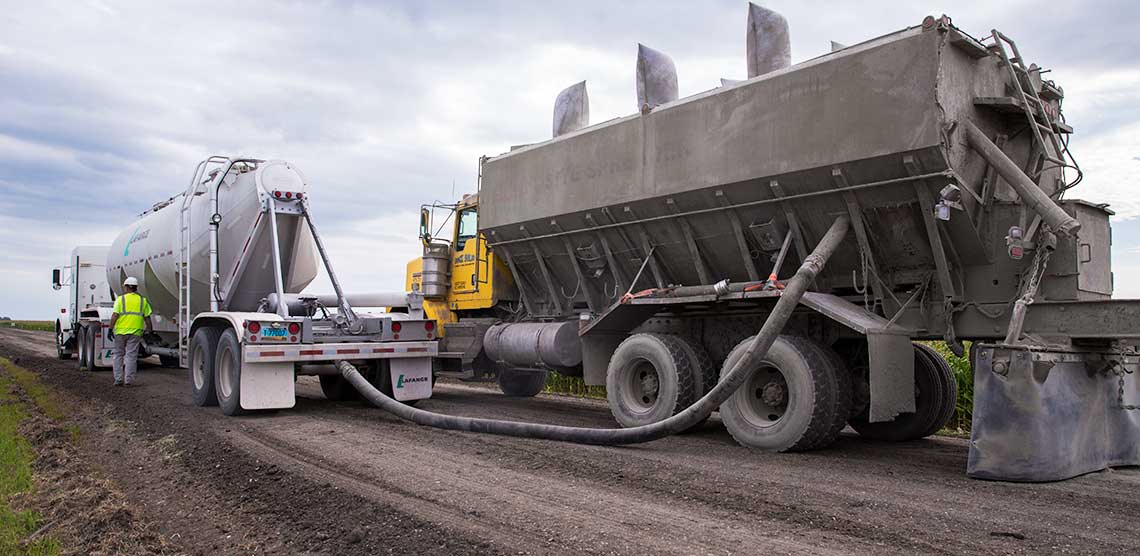
In order to prepare freight for bulk hauling, ensure adequate wrapping, secure load stability, check the maximum allowed weight, and mark the items distinctly. Furthermore, check for any wear and tear and follow safety regulations to allow for smooth transit and arrival.
What Safety Regulations Apply to Bulk Trucking?
Safety regulations for bulk trucking mandate adhering to weight limits, ensuring cargo is properly secured, following hazmat protocols, regular vehicle inspections, and driver training requirements to facilitate safe transit and minimize accident risks. - Illinois top rated Bulk Trucking
- Illinois top rated Bulk Trucking
How Do Bulk Trucking Companies Handle Delays?
Bulk trucking companies manage delays by communicating proactively with clients, adjusting schedules, and diverting shipments if required. They also employ technological tools to monitor shipments, providing real-time information and minimizing disruptions to the supply chain.
Can Bulk Trucking Accommodate International Shipping?
Certainly, bulk transport supports global shipping by partnering with logistics providers and employing appropriate gear. These companies ensure adherence to global standards, facilitating seamless cross-border transport for various bulk commodities all while prioritizing safety and speed.